
Register
Register online through Eventbrite for the meeting with a credit card, paypal, or applepay.
The early bird pre-registration with lunch option closes Sat Oct 17 at 4pm.
Online "Just in Time" registration (with no lunch option) continues online through the conference on Sat Oct 24.
Fall 2026 SoCal-Nev Section Meeting
Student Union/Golden Eagle Ballroom
California State University, Los Angeles
Saturday, October 24, 2026, 8:30-5:15
(Directions and Map)
Section Meeting Poster
Print and post our meeting poster with a QR code to registration.
Tentative Program
- 8:30-11:30 Registration
Foyer, Los Angeles Room, Student Union - 8:30-9:30 Refreshments
Los Angeles Room, Student Union - 9:00-9:05 Welcome Remarks
Los Angeles Room, Student Union - 9:10-10:00 Invited Address by Pamela E. Harris, UW - Milwaukee
How to Choose Your Own Mathematical Adventures
Los Angeles Room, Student Union - 10:00-10:10 Break
- 10:10-11:30 Contributed Paper Session, Part I
View the call for papers
Student Union
Organized by the Program Board - 11:35-11:50 Section Business Meeting
Los Angeles Room, Student Union - 11:50-1:00 Lunch and activities
- 11:50-1:00 Pre-ordered boxed lunches can be picked up in the Golden Eagle Ballroom 2-3
- 11:55-12:55 Mathart/Mathmaker sessions
Golden Eagle Ballroom - 11:55-12:25 Mathart Presentations, organized by Shanna Dobson, CSULA (pdf of Mathart schedule)
- 12:25-12:55 Math Maker Activities, facilitated by Joan Horvath and Rick Cameron, Nonscriptum LLC
- 12:10-12:55 Section NExT workshop on Grading as the misuse of mathematics in the measurement of student learning,
facilitated by Sharona Krinsky, CSU Los Angeles, and Robert Bosley, LAUSD
Student Union
- 1:00-2:00 Contributed Paper Session, Part II
View the call for papers
Student Union
Organized by the Program Board - 2:05-2:10 Conference Photo
Golden Eagle Ballroom - 2:10-3:00 Invited Address by Evan Rosenman, Claremont McKenna
A Statistical Study of Alternative Representational Systems for the LA City Council
Golden Eagle Ballroom - 3:00-3:05 Break
- 3:05-3:55 Invited Address by Anne Cawley, Cal Poly Pomona
Considering Sense of Belonging in the Mathematics Classroom through Two Lenses
Golden Eagle Ballroom - 4:00-4:10 Break
- 4:10-5:10 Evelyn Boyd Granville Documentary Screening
Golden Eagle Ballroom - 5:10-5:15 Closing Remarks
Golden Eagle Ballroom
Directions and Maps
CSULA is located near the 10 Freeway and the 710 Freeway. Directions to the campus can be determined using their interactive map.
CSULA is well connected to public transit and has a metro link station on campus. More information is available on the Cal State LA Transit Center page .
To find the Student Union Building and other campus locations, use the interactive campus map.
Parking: Visitor Parking will be available on the top floor of Structure C. Day permits can be purchase for $20 at one of the machines, but we are also working trying to arrange for a cheaper/free option.
There is a campus information booth at the intersection of Circle Drive and Paseo Rancho Castilla.
Register
Register online through Eventbrite for the meeting with a credit card, paypal, or applepay.
The early bird pre-registration with lunch option closes Sat Oct 17 at 4pm.
Online "Just in Time" registration (with no lunch option) continues online through the conference on Sat Oct 24.
Registration Information
All registrations will take place through Eventbrite.
Contributed Paper Presenters: Application deadline to present is Wed September 30, at 5pm. Presenters need to register separately for the conference in addition to submitting an abstract. You must be registered to present.
Priority Registration+ Lunch option: Register by Sat Oct 17 at 4pm for a lower registration rate, as well as a printed nametag and registration packet. Registering by the priority deadline enables you to add on a lunch to your order. It also minimizes stress and helps us have a more accurate catering count.
Online Pre-Registration (lunch option no longer available): After 10/17 at 4pm, you can still register, but there is no early bird discount or lunch option. If you register by Wed Oct 22 at 4pm, it guarantees a printed nametag and registration packet and helps us with planning.
Just-In-Time Registration All registration is completed online. You can register on-site, but it will be through the online platform and require an online payment method. Your nametag might not pre-printed and a registration packet is not guaranteed. There is no option to order lunch. You are unlikely to be able to get the registration for free parking.
Registration Fees
| Registration type |
Priority Registration | Registration |
| Nonmember | $45 (+$20 Lunch option) | $50 |
| MAA Member | $35 (+$20 Lunch option) | $40 |
| Student | $25 (+ $20 Lunch option) | $30 |
| Presenter: Contributed Paper Session | $25 (+ $20 Lunch option) | $30 |
Questions about registration
Questions about registration can be directed to Karrolyne Fogel, the meeting coordinator.
Lunch Options
If you pre-register by 4pm on Sat 10/17, you can select an Add-On Box Lunch order with your registration and pick the lunch up at the conference site. Each lunch includes chips and a drink (soda, water coffee). The following choices are available and provided through CSULA’s catering:
- Turkey Sub
- Ham and Swiss Sub
- Grilled Vegetable Wrap
- Chicken Caesar Salad
- Vegan Protein Salad with Tofu
- Mixed Greens Salad with Chicken (gluten free)
Anne CawleyCal Poly Pomona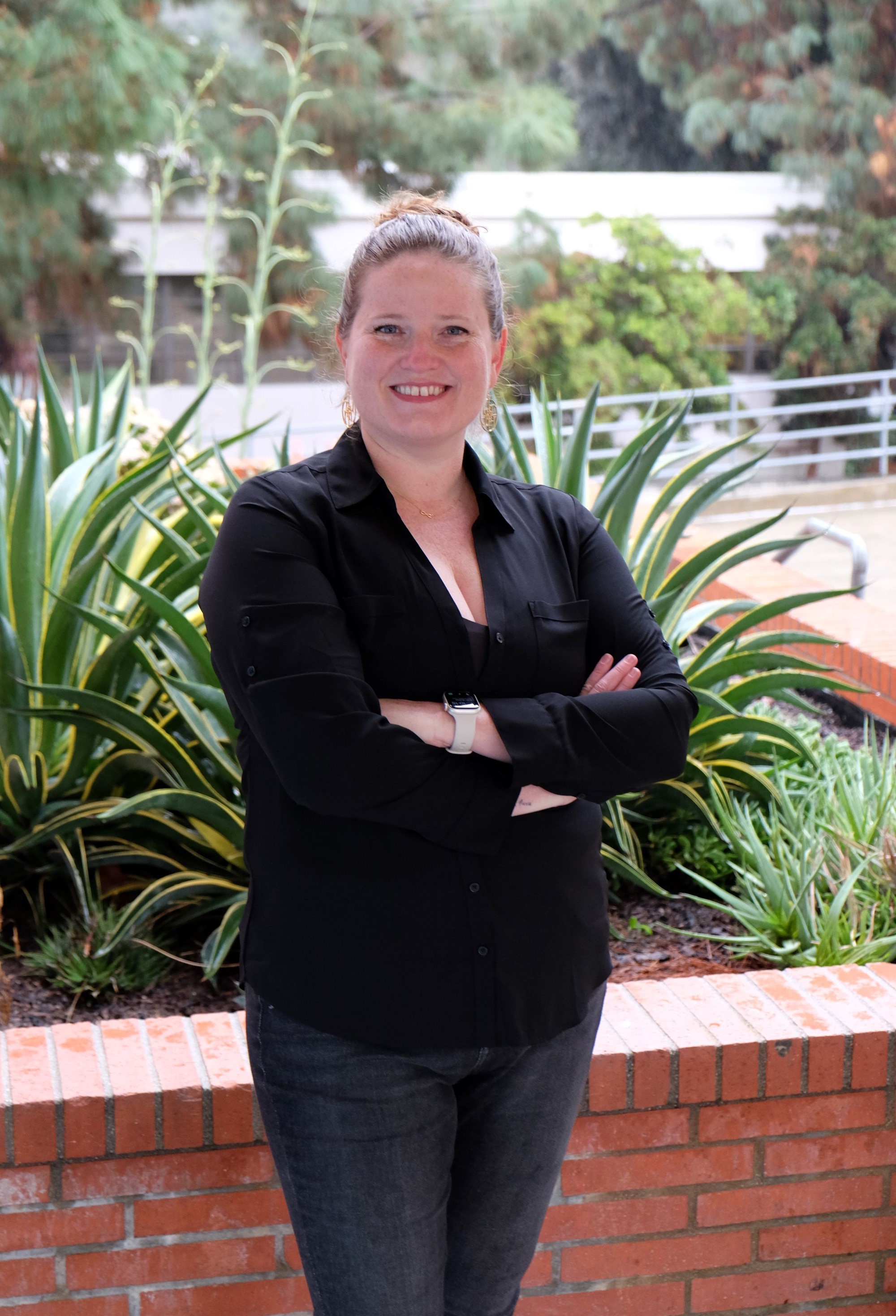 |
Dr. Anne Cawley is Professor of Mathematics and Statistics at Cal Poly Pomona (CPP). Her research in Mathematics Education relates to DEI, classroom experiences of historically underrepresented and minoritized students, math instruction in the first two years of college, and professional development for mathematics faculty towards equity-minded teaching practices. She is actively involved in the American Mathematics Association for Two-Year Colleges (AMATYC) as West Coast representative for the Research in Mathematics at Two-Year Colleges as well as the Western Regional member of the editorial panel for the MathAMATYC Educator. She also is actively involved in the Special Interest Group of the Mathematical Association of America - Research in Undergraduate Mathematics Education (RUME) as member of their program review committee. Current projects include 1) providing professional development for instructional supports and inclusive teaching practices college math instructors, 2) developing student sense of belonging in the college classroom, 3) understanding the caring relations between instructors and students in undergraduate mathematics classes, and 4) implementing professional development for community college faculty teaching mathematics courses for future elementary teachers. |
Considering Sense of Belonging in the Mathematics Classroom through Two Lenses
Sense of belonging in the mathematics classroom has been found to impact students’ mathematics learning (Good et al., 2012) and many factors can contribute to sense of belonging. This talk will consider two different projects that attempt to understand sense of belonging. First, I will share about how microaggressions (the intentional or unintentional messages that communicate hostile, derogatory, or negative messages towards a recipient; Sue et al., 2007) present themselves for college mathematics students. Microaggressions that students receive in a math class can impact a students’ learning experience and can often lead to feelings of exclusion (Cawley et al., 2023). Second, I will discuss the ways that students define instructor care and its impact on them. Both framings can help students make sense of their college mathematics experiences while also informing mathematics instructors of ways that students develop (or not) a sense of belonging to the mathematics classroom.
Pamela HarrisUniv of Wisconsin, Milwaukee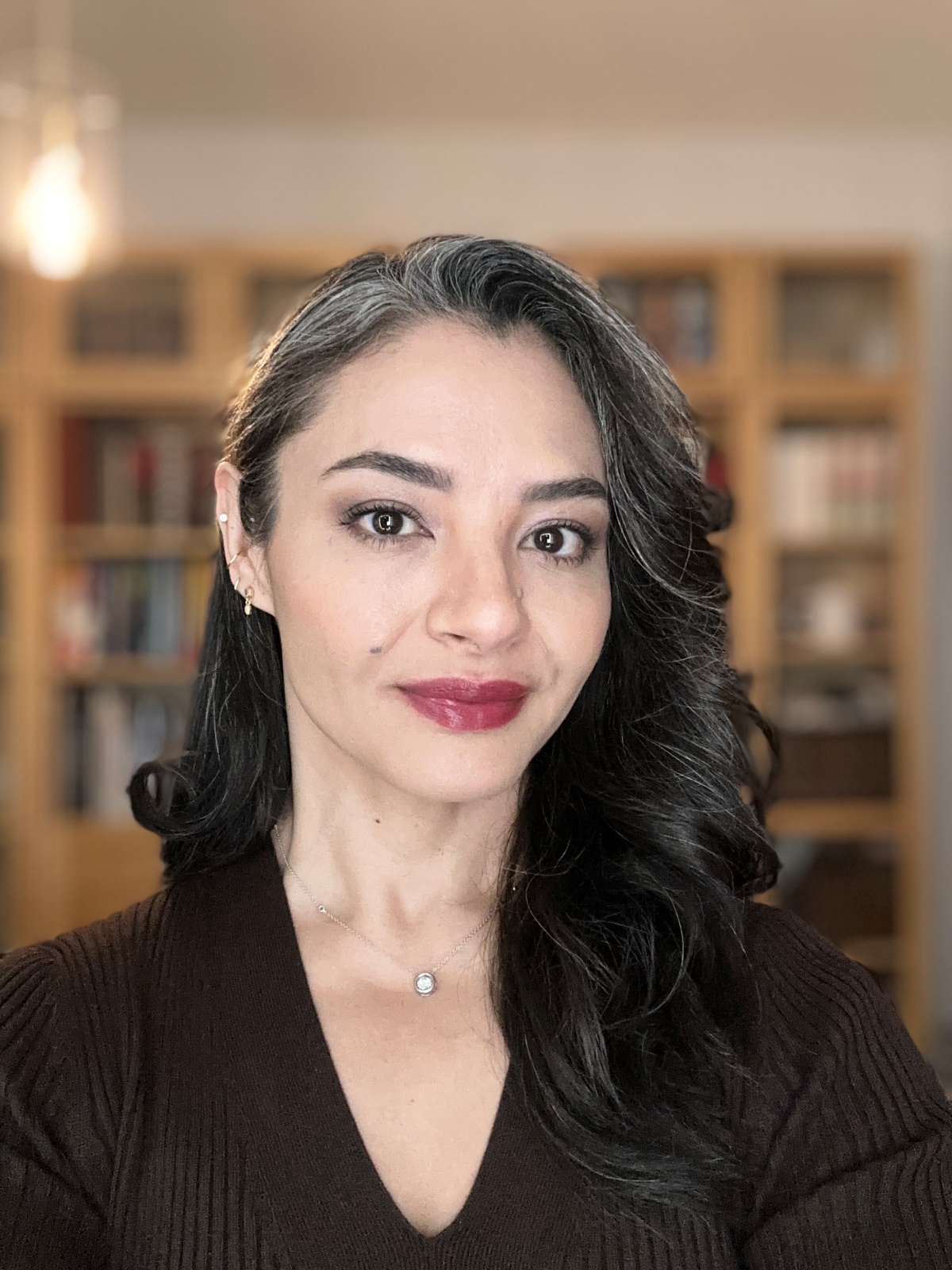 |
Dr. Pamela E. Harris is a Professor of Mathematical Sciences and Associate Vice Chancellor for Research at the University of Wisconsin–Milwaukee. Her research in algebraic combinatorics has produced over 100 peer‑reviewed publications.
A Fellow of the American Mathematical Society and the Association for Women in Mathematics, Dr. Harris is an award‑winning educator, recognized with honors including the 2025 Louise Hay Award and the MAA Deborah and Franklin Tepper Haimo Award.
She has mentored more than 140 undergraduate researchers and is the co-founder and President of Lathisms. Dr. Harris also cohosts the podcast Mathematically Uncensored and coauthors several books on equity and advocacy in mathematics.
|
How to choose your own mathematical adventures
What is mathematical research? How does a mathematician find problems to work on? How does one build mathematical collaborations? In this talk, I will share my journey to research mathematics, what it entails, how I have developed new research ideas, and how I have found my place within the mathematical community. Mathematical topics of discussion will include lattice point visibility, parking functions, and a connection between vector partition functions and juggling. No prior mathematical background on these topics is expected nor assumed as we will introduce all of the needed concepts from first principles. All that is needed is the willingness to wonder and ask the question: “what happens if…?”
Evan RosenmanClaremont McKenna College |
Dr. Evan Rosenman is an Assistant Professor of Statistics at Claremont McKenna College. He conducts methodological research in causal inference, with a particular focus on methods for synthesizing evidence across observational and experimental datasets. He also works in political data science, considering applications to modern electioneering, such as ethnicity imputation, ecological inference, and prediction calibration. Dr. Rosenman earned his Ph.D. from Stanford University in 2020, where he was advised by Art Owen and Mike Baiocchi. He completed his postdoc at Harvard University, working with Kosuke Imai, Luke Miratrix, and Francesca Dominici. His work has appeared in journals such as Biometrics, Statistics in Medicine, and the Electronic Journal of Statistics. |
A Statistical Study of Alternative Representational Systems for the LA City Council
Los Angeles recently convened a Charter Reform Commission to evaluate alternative methods for selecting its leaders. The Commission has recommended ranked-choice voting and an expansion of the City Council, with voters likely to weigh in on these reforms in November.
In this project, we develop a data-driven framework to evaluate proposed reforms, focusing on proportionality, racial representation, and electoral responsiveness. Our approach integrates tools from Statistics and Computer Science, including Bayesian ethnicity imputation, ecological inference, and graph-based sampling algorithms to explore the space of possible districting plans. We presented this work to the Commission in October 2025, advocating for adoption of proportional ranked-choice voting (PRCV) in multimember districts. While the Commission did not adopt this proposal, our findings suggest PRCV offers the strongest gains in minority representation. More broadly, our work highlights how computational and statistical methods can clarify tradeoffs in electoral system design.
This project is joint work with Sarah Cannon, Associate Professor of Mathematics and Computer Science at Claremont McKenna.
Section NExT Lunch Workshop:
Grading as the misuse of mathematics in the measurement of
student learning
Grades are everywhere in higher education, but most faculty receive little guidance on how to design a grading system. Instead, we inherit familiar practices, such as points, percentages, partial credit, weighted averages, and letter grades, and rarely have the opportunity to ask what those practices actually communicate about student learning.
In this interactive session, we will take a critical look at the assumptions built into traditional grading. What does an 82% mean? Why do we average learning that happens at different points in time? What happens when we combine measures of mathematical understanding with homework completion, attendance, or other behaviors into a single number?
Using examples from mathematics classrooms, we will explore how seemingly reasonable grading decisions can distort the evidence of what students know and can do. We will then introduce alternative grading, a framework for using grades to communicate student learning. Core principles include clearly defined and measurable learning outcomes, meaningful feedback, opportunities to demonstrate learning over time, and marks that indicate progress. We will examine how these practices can shift students’ attention from accumulating points to learning mathematics, make mistakes and revision a productive part of the learning process, increase student agency and persistence, and create a classroom in which grades better reflect what students know and can do.
Section NExT Facilitators:Sharona KrinskyCSU Los Angeles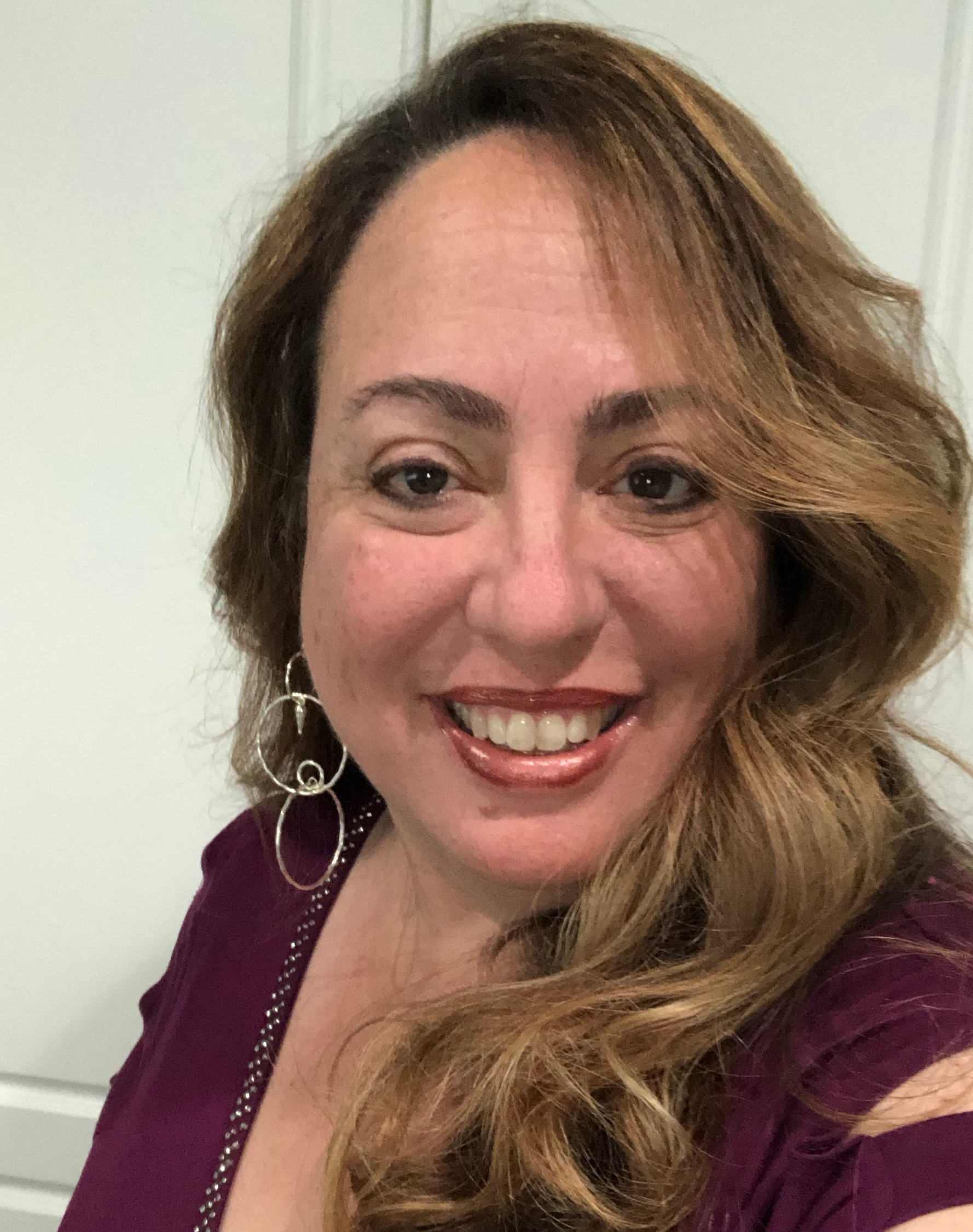 |
Sharona Krinsky has dedicated over 30 years to teaching mathematics in higher education, bringing extensive experience and expertise to her role as a course coordinator for first-year mathematics. Her passion for mathematics education is evident in her ongoing efforts to enhance learning outcomes for students, making complex concepts more accessible and engaging. Since 2016, Sharona has been actively involved in the alternative grading movement, advocating for assessment methods that more accurately reflect students' understanding and foster deeper learning. She has worked with fellow educators to explore and implement grading practices that emphasize growth, mastery, and student-centered approaches, seeking to create learning environments where all students can thrive. In addition to her work in the classroom, Sharona is a seasoned faculty development professional, providing mentorship and professional learning opportunities to colleagues. She is committed to the continuous improvement of STEM education, believing that high-quality teaching is a critical component of student success in science, technology, engineering, and mathematics. |
Robert BosleyLos Angeles USD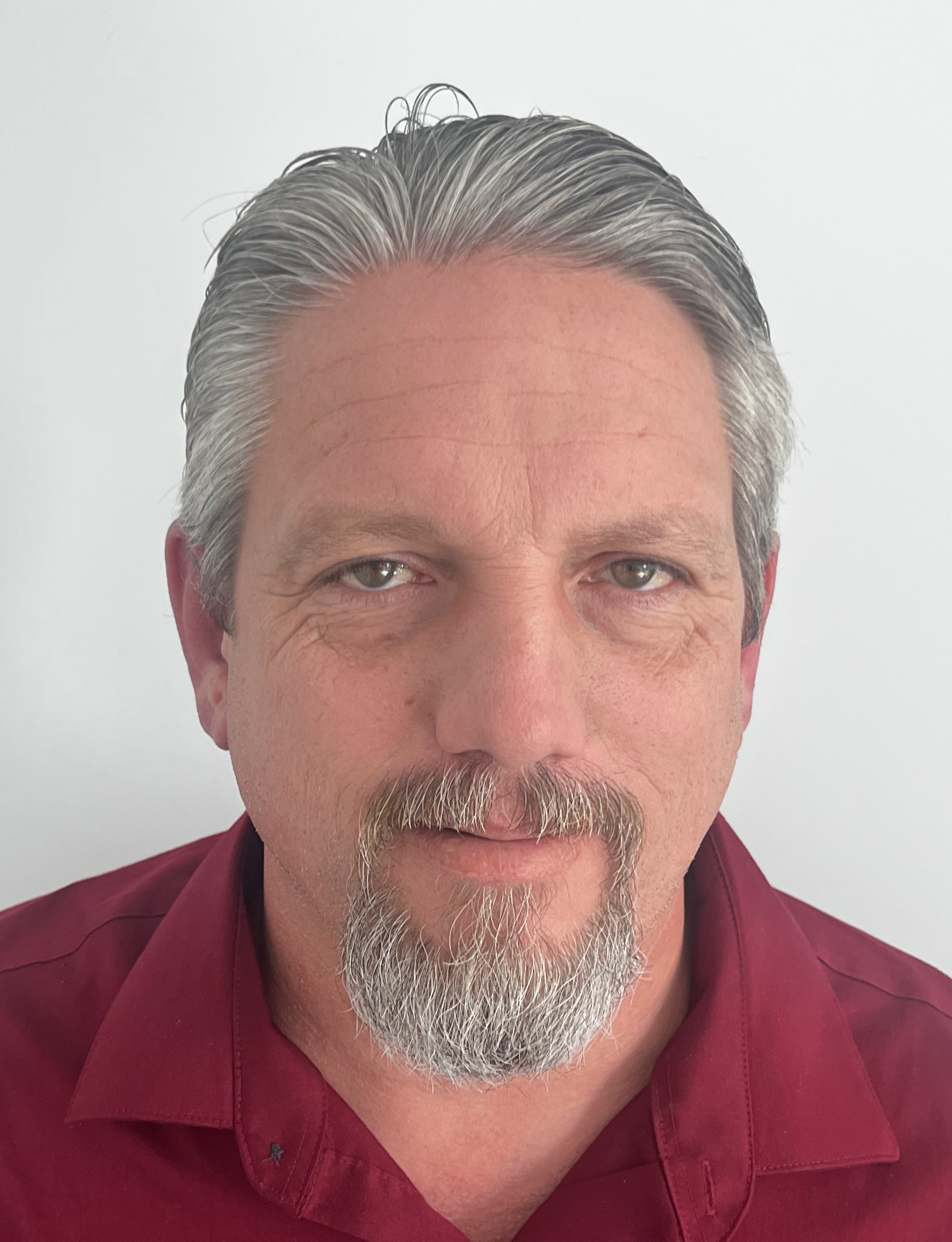 |
Robert Bosley is a dedicated educator with over 19 years of experience teaching high school mathematics. His passion for teaching extends beyond the classroom, as he also serves as a faculty coach and peer mentor, guiding fellow educators in their professional growth. Since 2019, Robert has been actively involved in the alternative grading movement, working to implement equitable grading practices that provide a fairer and more accurate assessment of student learning. In his role as a certified EGI (Equitable Grading and Instruction) coach for the Los Angeles Unified School District, Robert plays a key role in supporting educators as they adopt grading practices that emphasize student mastery and equity. His work in this area is grounded in his commitment to creating learning environments where all students have the opportunity to succeed, regardless of their background or starting point. In addition to his high school teaching experience, Robert has been teaching Statistics in higher education since 2019, further broadening his impact on students and contributing to the field of mathematics education. His extensive experience as a faculty development professional and coach has made him a valuable resource for educators looking to improve their teaching practices and create more inclusive classrooms. |
Lunch Activities: Mathart Presentations
(pdf of Mathart abstracts and schedule)This session celebrates MathArt: the rich and evolving intersections of mathematics, art, and pedagogy. Bringing together mathematicians and artists, it features interdisciplinary research, artistic practice, and creative approaches to teaching that explore mathematical ideas through film, dance, music, textile art, and other imaginative forms of creative inquiry. The session highlights how artistic perspectives can reveal unexpected mathematical structures and inspire innovative modes of mathematical expression.
Featured works include Shanna Dobson and Brian Carter’s short film The Sound of Resolution, which renders the experience of working in p-adic geometry as an interior glassy landscape shaped by music, movement, and reflection. Tuyetdong T. Phan-Yamada will present her work in mathematical quilting, revealing how mathematical patterns and structures can take vivid material form through textile art.
Lunch Activities: Math Maker Activities
Join us to play with hands-on math models! This session will feature hands-on math models and an origami demonstration, with the theme of math discovery through playing with physical objects. Activities will include:
- A sampler of Joan Horvath and Rich Cameron's open source, 3D printable geometry, trig and calculus puzzles and visualizations from their Make: Math series of books
- A demo Geometile build of a Los Angeles landmark, and audience-participation table by Yana Mohanty of Imathination LLC
- An origami activity by Jill Dunham of Chapman University
Contributed Paper Session
The MAA Southern California–Nevada Section invites submissions for contributed talks at our Fall Section Meeting, to be held on Saturday, October 24, 2026, at California State University, Los Angeles.
Faculty, students, and other members of the mathematical community are encouraged to submit an abstract for the Contributed Paper Session.
Submission deadline: Wednesday, September 30, 2026, at 5:00 p.m.
To submit an abstract, please provide your talk title, abstract, and presenter information here:
Additional meeting and registration details will be announced soon.
We look forward to your submissions and hope to see you at Cal State LA in October!
Best regards,
Amelia